


Phlebotomy Training Program in California: What to Look For
Table of Contents

Phlebotomy is one of the fastest ways into a healthcare career in California. A phlebotomy training program in California can be completed in as little as three weeks, and graduates leave with the skills and certification needed to start working right away.
But not every program is the same, and in California, the rules around training and licensure are specific. The California Department of Public Health sets clear requirements for what a program must include before you can apply for your state license.
CALRegional administers phlebotomy training programs across California through partnerships with local schools. This guide covers what CDPH requires, what to look for in a program, and how to start.
Key Takeaways
- California requires a CDPH-approved phlebotomy training program to obtain state licensure
- CPT1 licensure requires 40 hours of classroom training and 40 hours of clinical externship
- Phlebotomy technicians in California earn an average of $26.85 per hour, according to Indeed
- CALRegional administers CDPH-approved programs at locations across California
- Programs can be completed in as little as 3 to 12 weeks, depending on schedule and location
- Certification exam is included in tuition, and a guaranteed externship is included
Want To Learn More?
Why Phlebotomy Is Worth Considering in California
California employs over 20,000 phlebotomists, making it one of the largest markets for this role in the country. According to the BLS, phlebotomy employment is projected to grow 6% through 2034, faster than the average for all occupations.
The pay is also strong for a short-term certification. According to Indeed, phlebotomy technicians in California earn an average of $26.85 per hour as of April 2026. In major metros like San Francisco, Indeed reports average salaries of $52,601 per year.
For someone looking to break into healthcare without years of schooling, phlebotomy offers a realistic, well-paying entry point with room to grow.
Read More: How to Get Your Phlebotomy Certification: A Career Changer’s Guide
California Phlebotomy Certification Requirements
California is one of a small number of states that requires phlebotomists to be licensed. The California Department of Public Health regulates phlebotomy certification through Laboratory Field Services (LFS).
There are three certification levels in California:
| Certification Level | What It Allows | Training Required |
|---|---|---|
| Limited Phlebotomy Technician (LPT) | Skin puncture only (finger/heel sticks) | 20 hours classroom + clinical hours |
| Certified Phlebotomy Technician I (CPT1) | Venipuncture + skin puncture | 40 hours classroom + 40 hours clinical |
| Certified Phlebotomy Technician II (CPT2) | Arterial puncture + all CPT1 procedures | CPT1 required first |
Most students enroll specifically to earn their CPT1, which is the standard license required to work as a phlebotomist in hospitals, clinics, and labs across the state.
To qualify for CPT1 licensure, the California phlebotomy certification requirements are:
- Complete 40 hours of CDPH-approved classroom instruction
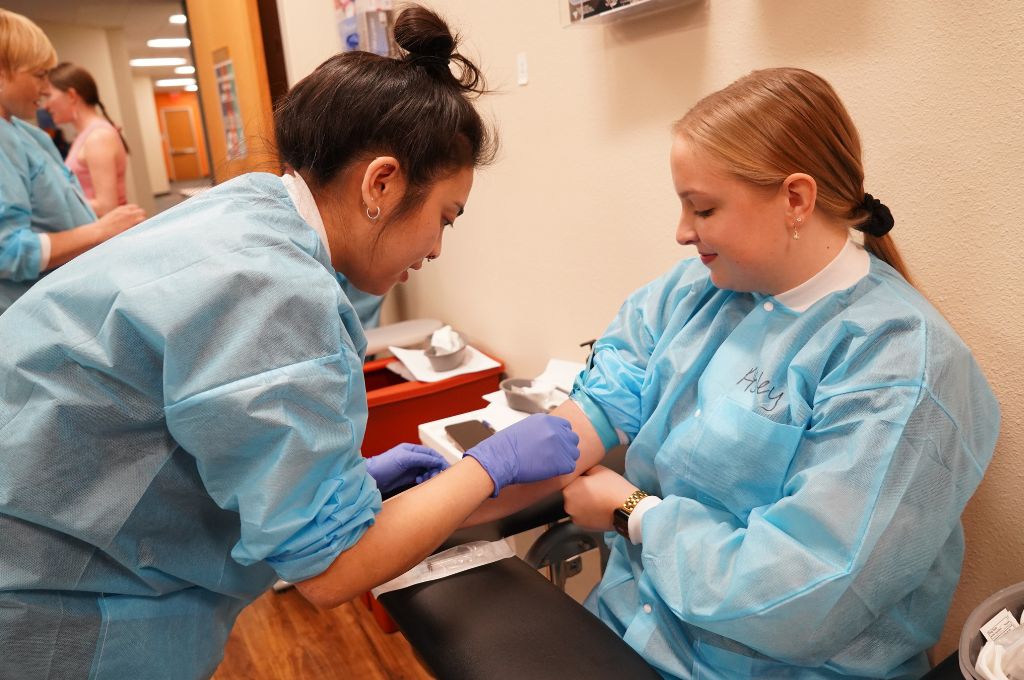
- Complete 40 hours of clinical externship in an approved setting
- Perform a minimum of 50 successful venipunctures and 10 skin punctures during externship
- Pass a nationally recognized phlebotomy certification exam
- Submit your application to CDPH Laboratory Field Services
The CDPH maintains a list of approved phlebotomy training programs. Enrolling in a program that is not on that list means your training will not count toward state licensure.
What to Look for in a Phlebotomy Training Program in California
With multiple California phlebotomy training options available, it helps to know what separates a strong program from one that leaves you scrambling after graduation.
| Feature | CALRegional | Other California Providers |
|---|---|---|
| Program Length | 3-12 weeks | Varies, often 3-6 months or longer |
| Tuition | $2,995 or less | Up to $5,000 or more |
| Exam Fees | Included in tuition | Exam fees may be extra |
| Externship | Guaranteed 40-hour placement | Students often have to find their own |
| Training Format | In-person and hybrid | Some programs are fully online |
| CDPH Approved | Yes | Varies by provider |
A few of those rows are worth unpacking. The externship is the one most people overlook until it is too late. California requires clinical hours before you can apply for your CPT1 license, and programs that do not guarantee placement leave that responsibility on you. If you cannot find an externship site, your licensure gets delayed.
Read More: Real Talk: How Much Does a Phlebotomy Technician Make?
The fees row matters too. Some programs advertise a low tuition number but charge separately for the certification exam and CPR. Those costs add up fast. A program that includes everything up front is easier to plan around.
How CALRegional Administers Phlebotomy Training in California
CALRegional administers CDPH-approved phlebotomy programs through partnerships with local adult education schools at locations across Northern, Central, and Southern California.
Every program includes a guaranteed 40-hour externship through CALRegional’s internal GCC Laboratories partnerships, so students never have to find their own placement.
Tuition is $2,995 or less and interest-free payment plans available to everyone.
Want To Learn More?
Where CALRegional Administers Phlebotomy Programs in California
CALRegional administers phlebotomy training programs at partner school locations throughout California, including cities across the Bay Area, Sacramento region, Central Valley, and Southern California.
Some of the cities where programs are currently available include Antioch, Fairfield, Fremont, Sacramento, San Jose, Fresno, Salinas, Bloomington, Norwalk, Pasadena, and many others.
Find a phlebotomy program nearest you, along with upcoming class dates and enrollment options.
FAQs
CALRegional-administered programs can be completed in as little as 3 to 12 weeks, depending on your schedule and location. The classroom portion typically runs a few weeks, followed by the 40-hour clinical externship. Other programs in California vary widely, from a few weeks to several months.
To obtain a CPT1 license in California, you must complete a CDPH-approved phlebotomy training program that includes 40 hours of classroom instruction and 40 hours of clinical externship. You must complete at least 50 venipunctures and 10 skin punctures during clinical training, then pass a nationally recognized certification exam. Applications are submitted to the California Department of Public Health, Laboratory Field Services.
The CDPH publishes a list of approved phlebotomy training programs on the California Department of Public Health website. CALRegional-administered programs are included on that list through their partner school locations. You can also visit CALRegional’s program page to find locations, upcoming class dates, and enrollment information.
Conclusion: Choosing the Right Phlebotomy Training Program in California
California’s phlebotomy licensure requirements are more specific than most states, which means your choice of program matters.
A CDPH-approved program, guaranteed externship, and included certification exam are the three things that separate a program that sets you up for success from one that leaves gaps you have to fill on your own.
CALRegional administers phlebotomy training programs across California that meet all of those requirements, with short timelines, affordable tuition, and partner school locations in communities throughout the state.
If you are ready to explore phlebotomy classes near you in California, an info session is the best first step.
Attend an Info Session
