


Is a 3-Week Phlebotomy Program Too Fast? Here’s What’s Actually Covered
Table of Contents

If you’ve searched phlebotomy program length and landed on threads asking whether a 3-week program can actually prepare you for a real job, you’re asking the right question. Fast training sounds appealing until you wonder what’s getting cut to make it happen.
CALRegional administers phlebotomy training designed to compress the calendar, not the material, and this breakdown covers exactly what fills those hours, what’s guaranteed, and what to ask before you enroll anywhere.
Key Takeaways
- Phlebotomy training totals 70 hours, split evenly between lecture and hands-on lab work
- Phlebotomy program length ranges from 3 to 12 weeks depending on schedule and location
- California students get a guaranteed externship built into the class, confirmed before enrollment
- Texas programs currently do not include externship placement
- Graduates prepare for the AMCA Phlebotomy Technician Certification exam plus CPR certification
Want To Learn More?
Program Availability
CALRegional’s Phlebotomy Technician Program is administered through partner schools across California and Texas. Program length runs 3 to 12 weeks depending on your schedule and location, with the accelerated 3-week track available at select California locations.
California and Texas differ in one major respect. Externship placement is guaranteed as part of the California program but is not currently included in Texas. Anyone comparing the two should confirm this directly with their local program before enrolling.
What 70 Hours of Phlebotomy Training Actually Covers
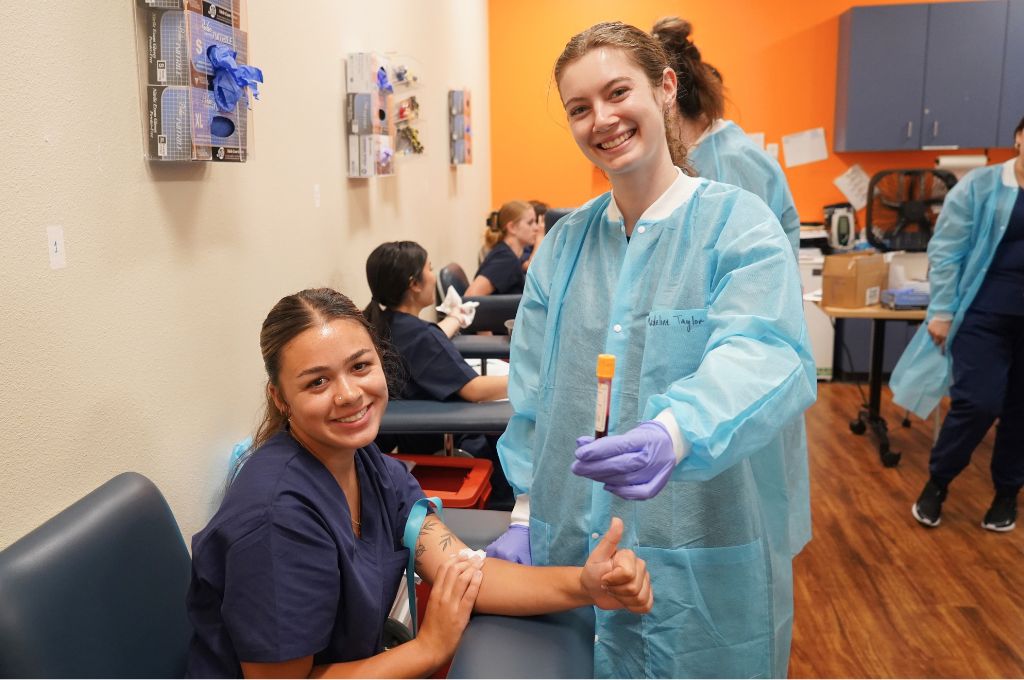
A 3-week phlebotomy training duration sounds intense on paper, so it helps to see where the hours actually go. The program totals 70 hours of classroom instruction and hands-on lab work, split 50/50 between lecture and lab days.
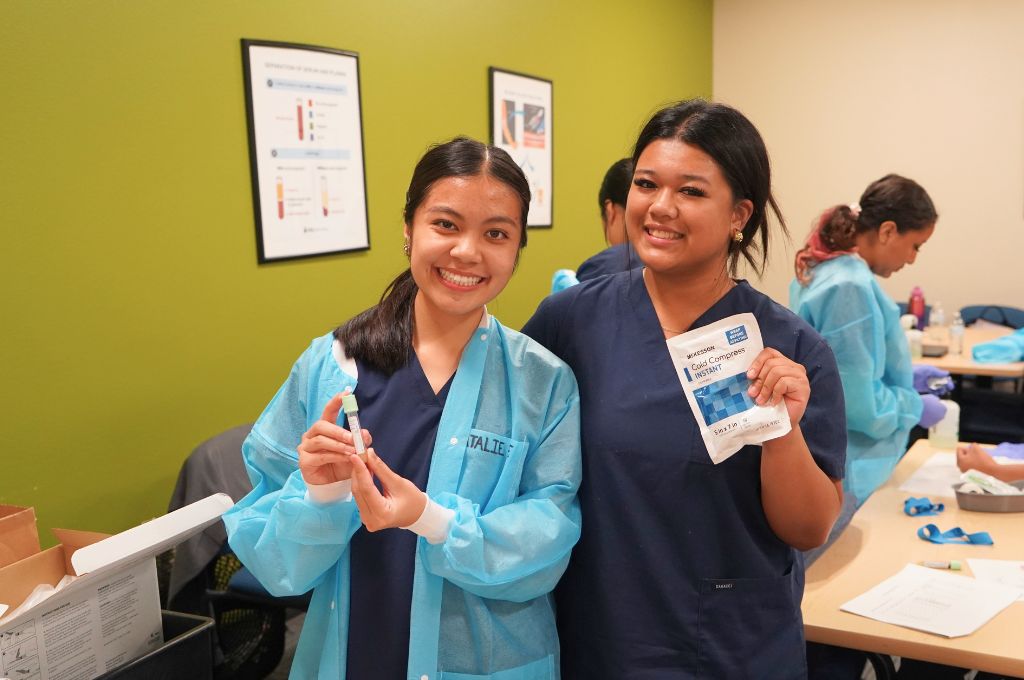
Rather than stacking weeks of theory before any hands-on work, the phlebotomy class schedule alternates lecture days with lab days throughout the program. Students move between classroom instruction and practice almost immediately.
Lecture and lab hours cover a full range of skills, including:
- Patient identification and preparation, including the difference between veins and arteries
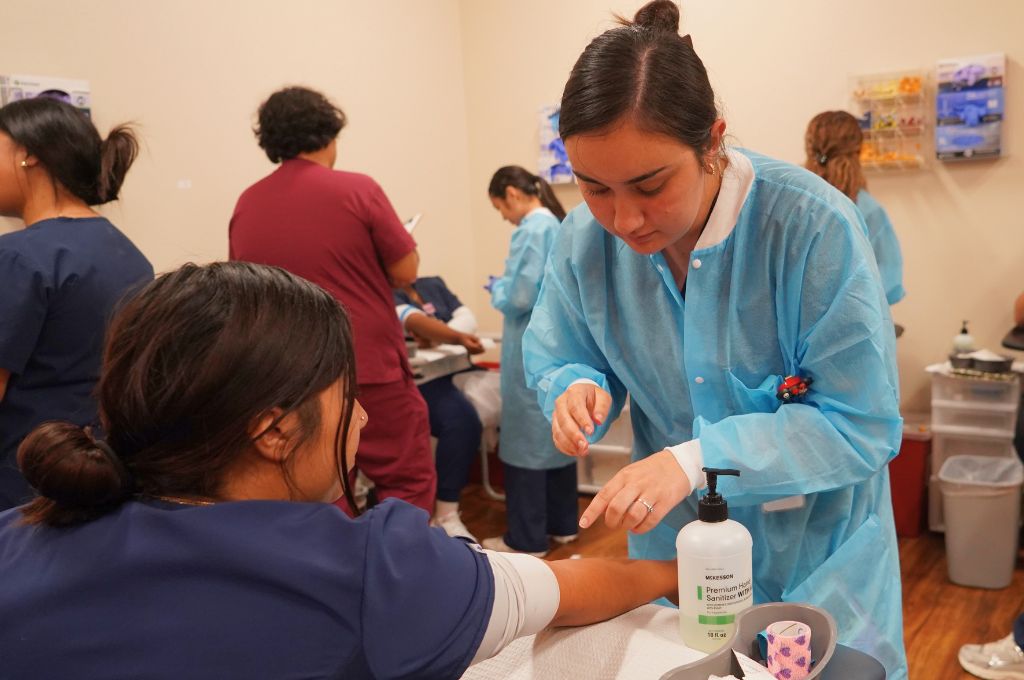
- Venipuncture training across four draw methods: venipuncture, butterfly, evacuated tube system (ETS), and syringe
- Specimen handling, including collection precautions, processing, and transport
- Behind the scenes work such as operating centrifuges, preparing microscope slides, and preparing specimens for courier pickup
Each of these skills is practiced hands-on in lab, not just covered in lecture.
Externship Placement: Built In, Not Bolted On
One of the most common questions about phlebotomy program length has nothing to do with class time. It’s about what happens after class ends, specifically the clinical externship required for California state licensure.
Many training programs treat externship as a separate hurdle. Graduates can sit on a waitlist for weeks or months before they’re able to start earning income in the field.
CALRegional structures externship differently for California students. Externship placement is confirmed before enrollment, not after graduation, and runs on the same schedule as class through the on-site partnership with GCC Laboratories. There’s no separate wait once the program ends and no scramble to find a placement site after tuition is already paid.
Read More: Answering Our Top 10 Externship Questions
This structure matters because uncertainty around externships, like how far a student might have to travel, how flexible the scheduling is, and how long a placement might realistically take, is one of the most common concerns prospective students raise before enrolling anywhere. CALRegional addresses this by putting the terms in writing for California students. Externship completion is guaranteed by the last day of class, or tuition is refunded.
According to the state’s governing agency, CALRegional’s phlebotomy students have received more phlebotomy licenses than students from any other training program in California. That’s licensure, not just graduation, which is the number that actually determines whether someone can start working.
This guarantee and the no-wait placement structure currently apply to California only. Texas programs do not include externship placement, so Texas students should confirm certification and job-readiness timelines directly with their location.
Want To Learn More?
Before You Enroll, Ask These Questions
If a phlebotomy class schedule sounds too good to be true, ask the program directly. Is the externship guaranteed in writing, or do students join a waitlist after graduation? What’s the longest a student has waited for placement in the past year? Will the program put that answer in writing?
Read More: Questions to Ask a Phlebotomy School Before Enrolling in California
These are the same questions CALRegional invites prospective students to ask before they enroll in a phlebotomy program anywhere, not just here. A program that hesitates on any of these is telling you something important.
Certification and Cost
Tuition includes the national Phlebotomy Technician Certification exam through the American Medical Certification Association (AMCA). CALRegional’s training satisfies guidelines set by the California Department of Public Health, Laboratory Field Services, and CPR certification through the American Heart Association is included in every in-person and hybrid program.
Students who pass the AMCA exam may apply for CPT1 state licensure through California’s Department of Public Health, Laboratory Field Services division.
Tuition for the program is $2,995 or less, with interest-free payment plans available for all students. Combined with the compressed phlebotomy training duration, this makes the program one of the more accessible entry points into a healthcare career.
FAQs
Phlebotomy program length at CALRegional runs 3 to 12 weeks, depending on your schedule and location. The accelerated 3-week track is available at select California and Texas locations, while other schedules may run longer to accommodate part-time or evening students.
Yes. The 3-week track still includes all 70 hours of lecture and lab instruction, plus the guaranteed externship required for state licensure in California. The compressed schedule comes from a tighter calendar, not fewer training hours.
The fastest path combines an accelerated class schedule with a built-in externship, so there’s no separate wait after graduation. CALRegional’s California program is structured this way, with externship placement confirmed before enrollment rather than after.
Conclusion: Ready to See if 3 Weeks Works for You?
A 3-week phlebotomy program length isn’t too fast if the hours are structured right. Between 70 hours of lecture and lab work, hands-on practice across the core draw methods, and an externship confirmed before enrollment rather than after graduation, the calendar is compressed, not the substance.
CALRegional administers this training through partner schools in California and Texas, though the externship guarantee currently applies to California only. The best way to know if this fits your schedule is to talk with an admissions specialist directly. Attend an info session to ask about program timelines, externship placement, and what to expect from the class itself.
If you’re ready to enroll in a phlebotomy program, CALRegional’s admissions team can walk you through next steps and confirm availability at your nearest location.
Attend an Info Session
