


Questions to Ask a Phlebotomy School Before Enrolling in California
Table of Contents

Comparing phlebotomy programs? Most people researching training options do not know which questions to ask a phlebotomy school before they commit their time and money. The right questions can mean the difference between a fast, predictable path to your certificate and a frustrating wait that delays your first paycheck by months.
CALRegional administers healthcare training programs across California through partnerships with local schools, and we work with prospective students every week who are trying to sort out which program actually delivers on its promises.
This guide walks through the questions that matter most, why they matter, and what a program’s answers can tell you before you ever sign a contract.
Key Takeaways
- Ask about externship guarantees before enrolling, not after, since externships are required for phlebotomy licensure in California.
- A program that cannot tell you its average wait time or completion rate is a program that has not measured its own outcomes.
- Phlebotomy program red flags usually show up in vague answers, not obvious warning signs.
- California has specific certification requirements that any legitimate program should be able to explain clearly.
- CALRegional puts its externship guarantee and completion rate in writing, which most programs will not do.
Want To Learn More?
Phlebotomy Certification Requirements in California
California is one of the few states that requires phlebotomy technicians to hold a state-issued licensure through the California Department of Public Health, Laboratory Field Services, in addition to passing a national certification exam.
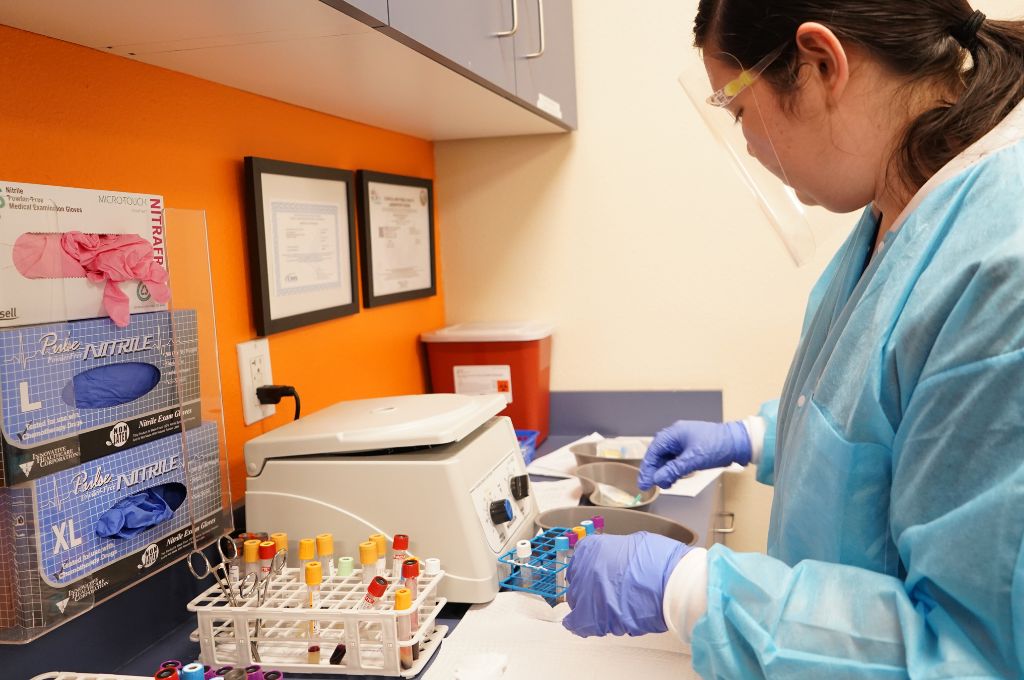
That requirement is exactly why the clinical externship matters so much here. In most states, finishing coursework and passing an exam is enough to start working. In California, you also need supervised hands-on experience completed and documented before the state will issue your license.
It’s the heart of phlebotomy certification requirements in California, and it is the reason the externship questions below matter more here than they might elsewhere.
Read More: How to Become a Phlebotomist in California
What Questions to Ask a Phlebotomy School Before You Enroll
These are the five questions worth asking any program you are considering, along with what the answer actually tells you.
1. Is My Externship Guaranteed in Writing?
A verbal promise is not a guarantee. Ask the program to point to the specific language in your enrollment contract that guarantees externship placement. If a program cannot show you that language, you are being asked to enroll on faith.
This question gets to the heart of the phlebotomy program externship guarantee issue. Some programs wait until after graduation to start lining up externship sites, which means you are competing with every other recent graduate for a limited number of openings.
2. How Long Does a Phlebotomy Externship Take to Get Placed?
This is one of the most overlooked questions, and one of the most important. Ask directly: how long does a phlebotomy externship take from the day you finish class to the day you start your placement?
Some students wait weeks. Others wait as long as 6-9 months. At California’s average phlebotomy wage, a six-month gap between graduation and your first paycheck can cost roughly $24,000 in lost income, according to wage data reported by Indeed.
3. What Is the Longest a Student Has Waited for Placement?
Average wait times can hide a wide range of outcomes. Ask the program for their longest documented wait time in the past year, not just their average. A program with nothing to hide will usually have this number ready.
4. What Percentage of Students Are License-Eligible Within 30 Days?
This is a phlebotomy program completion rate question with real teeth. Completion rate tells you how many students finish the coursework. License eligibility within 30 days tells you how many students actually convert that coursework into a usable credential quickly.
Programs that track and share this number are typically the same programs that have built efficient externship pipelines. Programs that cannot answer this question have likely never measured it.
5. Will You Put That in Writing?
This is the question that separates marketing from commitment. A program confident in its outcomes will not hesitate to put guarantees, timelines, and completion data in your enrollment contract. A program that hedges, deflects, or asks you to just trust them is showing you exactly how much risk you are about to take on.
Phlebotomy Program Red Flags to Watch For
Beyond the five questions above, a few patterns tend to show up across programs that do not deliver on their promises.
- Vague or shifting answers about externship timing when you ask for specifics.
- No willingness to put guarantees or completion data in writing.
- Pricing that has increased significantly year over year without a clear explanation.
- Staff who cannot explain California’s licensure requirements clearly.
None of these are necessarily disqualifying on their own, but together they suggest a program that has not been held accountable to its own outcomes.
Read More: Phlebotomy Training Program in California: What to Look For
How to Choose a Phlebotomy Training Program With Confidence
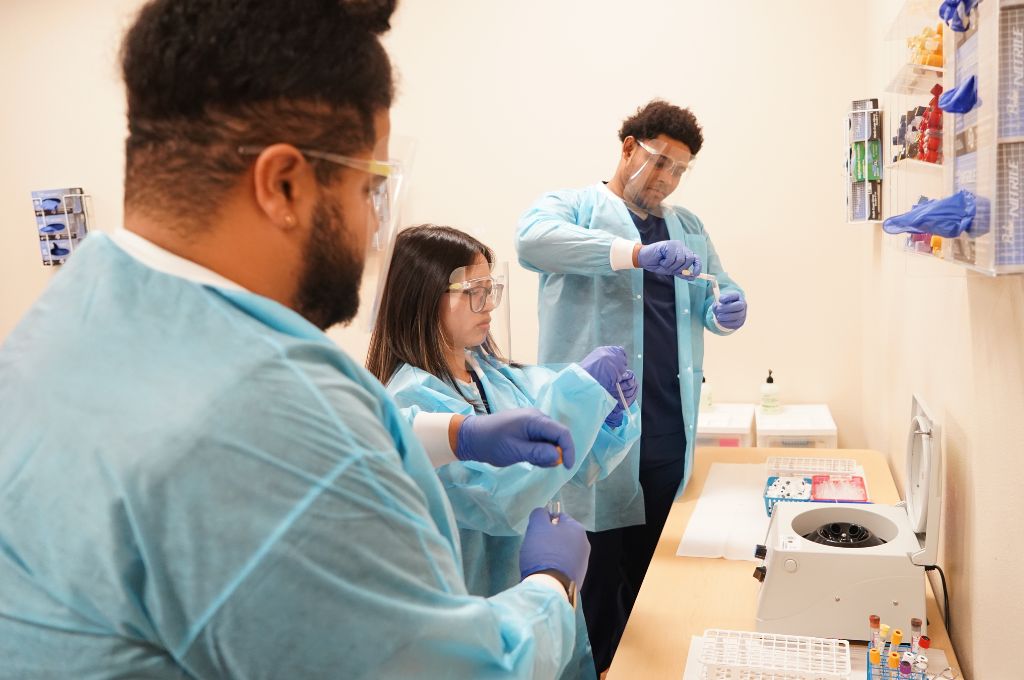
Knowing how to choose a phlebotomy training program comes down to verifying claims rather than taking them at face value. Ask for documentation. Ask for specifics. Ask what happens if the program does not deliver.
The CALRegional-administered phlebotomy program includes a guaranteed externship built into the program and confirmed before you pay, not figured out after you graduate. According to data from California’s state licensing agency, CALRegional students received more phlebotomy licenses than students from any other training program in the state, a distinction based on completed licensure, not just enrollment numbers.
CALRegional has also held its program pricing steady for more than a decade, which is unusual in an industry where tuition increases are common. You can see the full breakdown of guarantees on our Ask Before You Enroll page, including the exact language we put in writing for every student.
FAQs
Check whether the program is recognized by the relevant certifying body, ask to see real outcome data rather than testimonials alone, and confirm that any externship guarantee is written into your enrollment contract. A legitimate program will not hesitate to provide this information.
Yes. California requires a completed clinical externship before you can apply for state licensure through the Department of Public Health, Laboratory Field Services. This is separate from passing the national certification exam, which is a different step in the process.
Timelines vary by program, but training itself typically takes between three and twelve weeks, depending on schedule and location. Programs with guaranteed externship placement built into the training, like CALRegional’s, allow students to become license eligible in as few as three to twelve weeks rather than waiting 6-9 months after graduation.
Conclusion: Ask First, Enroll With Confidence
Choosing a phlebotomy program is not just about cost or schedule. It is about whether the program will actually get you to a paycheck in a reasonable amount of time.
Asking these questions before you enroll puts that decision back in your hands, and CALRegional has built its program around answering them before you have to ask.
Attend a free info session to ask these questions yourself and learn more about how CALRegional’s externship guarantee works. It is a low-pressure way to find a phlebotomy program near you and compare your options before committing to enroll in a phlebotomy program in California.
Attend an Info Session
