



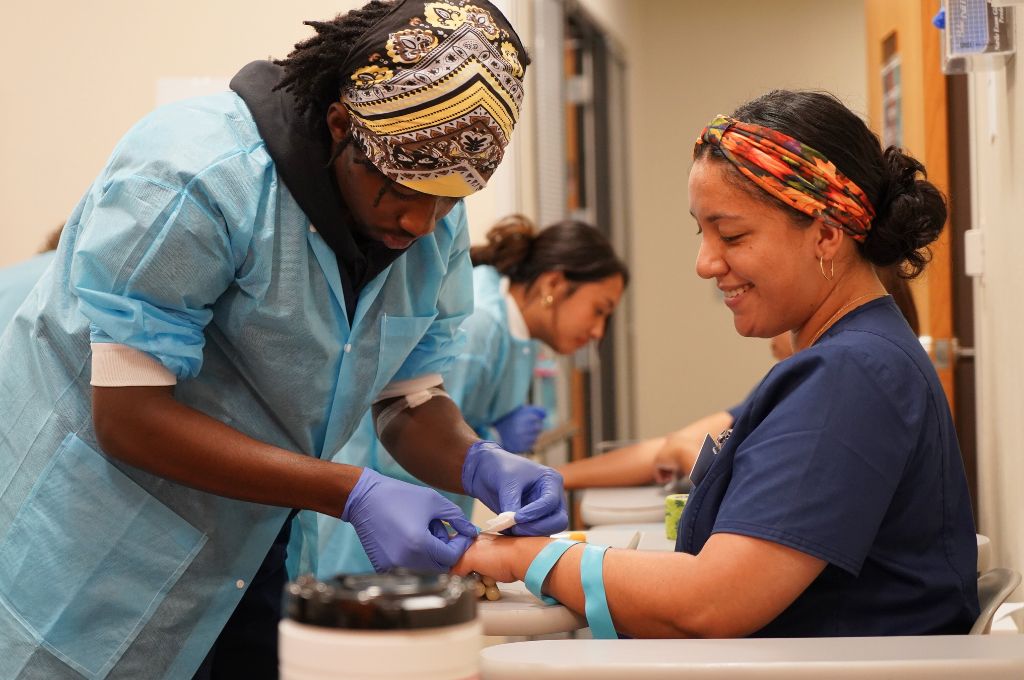
Do Phlebotomists Make Good Money? Pay, Growth, Reality

Table of Contents

Do phlebotomists make good money is one of the most common questions people ask when exploring entry-level healthcare careers. The answer depends on how you define good money, how quickly you want to start working, and what kind of long-term growth you expect.
Phlebotomy appeals to many career changers and first-time healthcare professionals because the training path is shorter than most clinical roles. That makes the pay question more nuanced. This is not about chasing the highest salary on paper. It is about understanding value, stability, and return on time invested.
CALRegional administers phlebotomy training programs through partner schools, helping students prepare for certification and entry into the healthcare workforce. This article breaks down pay, job outlook, and growth potential so you can decide whether phlebotomy makes financial sense for you.
You will learn how phlebotomy pay compares to other healthcare support roles, what entry-level earnings really look like, and whether this career can support long-term income goals.
Key Takeaways
- Phlebotomy offers faster entry into paid healthcare work than many clinical roles
- The average phlebotomist pay is competitive for an entry-level healthcare position
- Hourly wages vary based on setting, schedule, and certification
- Career growth often comes from experience, specialization, or advancement into related roles
- Phlebotomy can be financially worthwhile for the right goals and timelines
Want To Learn More?
What Does “Good Money” Mean in Entry-Level Healthcare
Before asking is phlebotomy a good-paying job, it helps to define what good money actually means at the entry level.
For many people, good money means:
- Earning income quickly after training
- Stable demand and predictable hours
- Wages that exceed typical retail or service roles
- A role that opens doors to other healthcare careers
Read More: 7 Common Myths About Becoming a Phlebotomy Tech Debunked
Phlebotomy checks several of these boxes. Training programs are shorter than nursing or imaging programs. Certification requirements are clear. Demand is steady across hospitals, labs, and outpatient clinics.
Good money in this context is not about a six-figure income. It is about earning a livable wage in healthcare without years of schooling or debt.
Phlebotomist Salary and Average Pay Explained
So how much do phlebotomists make in real terms?
According to the U.S. Bureau of Labor Statistics, the median phlebotomist salary in the United States is around $44,000 per year, with hourly wages typically around $21, depending on experience and setting.
Average phlebotomist pay is influenced by several factors:
- Healthcare settings such as hospitals, labs, or blood centers
- Shift availability, including evenings, weekends, or overnight roles
- Certification status and employer requirements
- Years of hands-on experience
A phlebotomist’s hourly wage often matters more than annual salary for new entrants. Many roles start hourly, and overtime or shift differentials can meaningfully increase take-home pay.
Compared to many entry-level healthcare salaries, phlebotomy sits in a solid middle range. It typically pays more than medical receptionist or patient intake roles and less than licensed clinical positions.
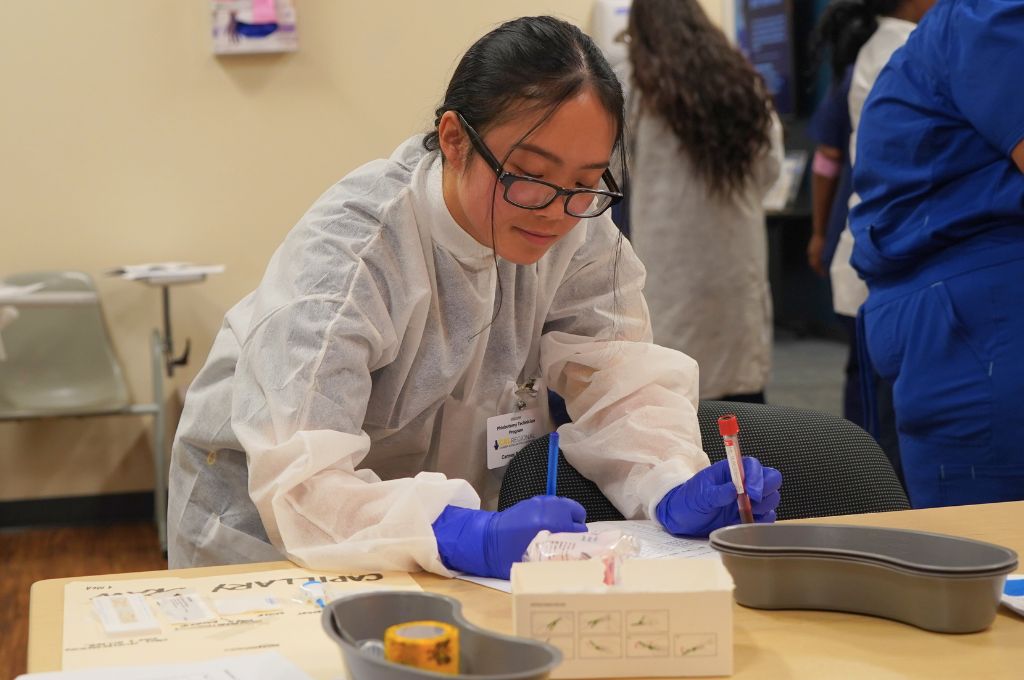
Phlebotomy Pay vs Other Healthcare Jobs
When evaluating whether phlebotomy is worth it financially, comparison matters.
Here is how phlebotomy pay compares to other common healthcare support roles:
- Medical assistants often earn slightly more but require longer training and broader responsibilities
- Certified nursing assistants may earn similar wages but often face more physical demands
- Patient care technicians may earn more with experience, but often need additional credentials
- Administrative healthcare roles often pay less with fewer advancement options
Read More: Top Entry-Level Jobs and Tips to Land Them
Phlebotomy offers a balance. The work is hands-on but focused. Training time is shorter than in many clinical roles. Certification pathways are straightforward.
For people seeking a direct route into patient care without extended schooling, phlebotomy compares favorably to many alternatives.
Career Growth in Phlebotomy
Does phlebotomy pay well long-term? It is a fair question, especially for those thinking beyond their first job.
Phlebotomy itself has a wage ceiling. Long-term earnings growth usually comes from one of three paths:
- Gaining seniority and specialization within lab or hospital systems
- Moving into lead phlebotomist or supervisory roles
- Using phlebotomy as a stepping stone into nursing, laboratory science, or allied health programs
Career growth in phlebotomy is less about promotions and more about leverage. Experience in patient care, specimen handling, and clinical environments builds credibility for future healthcare training.
Many healthcare professionals start in phlebotomy to gain exposure while earning income. That context matters when evaluating financial value.
Want To Learn More?
Phlebotomy Job Outlook and Stability
Pay only matters if jobs exist.
The phlebotomy job outlook remains strong. The BLS lists more than 18,000 phlebotomist job openings a year across the United States through 2034.
The Bureau of Labor Statistics projects steady demand driven by:
- An aging population
- Increased diagnostic testing
- Ongoing need for laboratory services
Healthcare support roles’ pay is often tied to system demand, not trends. Phlebotomy is embedded in routine care, which makes it more stable than many entry-level roles outside healthcare.
This stability adds to the financial case, especially for career changers seeking predictable employment.
Read More: Top 5 Career Paths for Phlebotomy School Graduates
Program Availability and Certification Context
Phlebotomy training requirements vary by state, but most employers expect formal training and certification eligibility.
A phlebotomy training program typically includes:
- Classroom instruction in anatomy, safety, and procedures
- Hands-on clinical practice
- Preparation for national certification exams
CALRegional administers phlebotomy certification programs through partnerships with local schools, helping students access training that aligns with employer expectations and regulatory standards.
Certification improves job access, earning potential, and hiring confidence. For many employers, it is not optional.
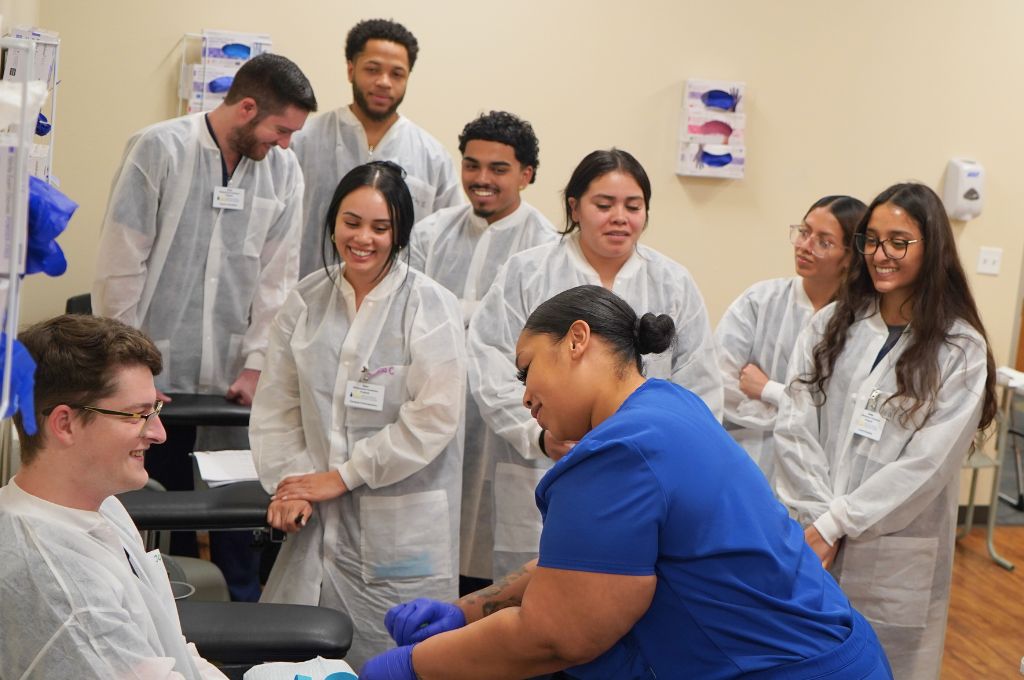
FAQs
Most phlebotomists earn an hourly wage that translates to around $44,000 annually, depending on setting and experience. Hospitals and specialty labs may pay more.
Yes, many people support themselves through phlebotomy, especially when working full-time or combining shifts. It is most effective for those seeking a stable healthcare income without extended schooling.
Phlebotomy pays well relative to training length, but long-term earnings growth usually comes from advancement into related healthcare roles rather than the position alone.
Conclusion: Is Phlebotomy Worth It Financially?
So do phlebotomists make good money? For the right person, yes.
Phlebotomy offers a faster path into paid healthcare work, competitive entry-level wages, and strong job stability. It is not designed to be a top-earning role on its own, but it delivers value through speed, access, and opportunity.
If your goal is to enter healthcare quickly, earn a steady income, and build experience that supports future growth, phlebotomy can be a financially sound choice.
CALRegional administers phlebotomy training programs through partner schools and can help you determine whether a phlebotomy certification program aligns with your plans. Attend an information session to learn how phlebotomy training works and what to expect.
Attend an Info Session
